

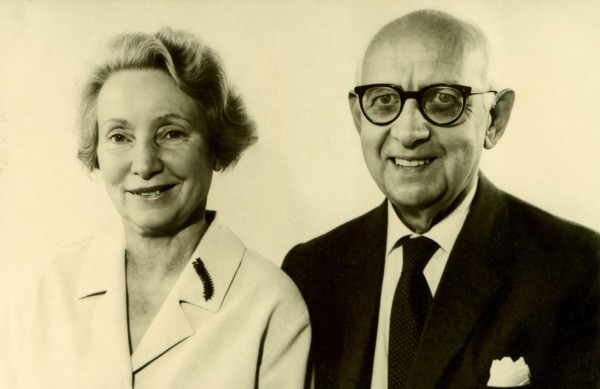
The Dr Vodder technique
The Manual Lymphatic Drainage (MLD) was developed in the 1930s by Dr Emil Vodder, a Danish biologist and physiotherapist, and his wife Estrid Vodder.
Origins:
- En observant des patients souffrant de maladies chroniques des voies respiratoires, le Dr Vodder remarqua un gonflement des ganglions lymphatiques
- Il émit l’hypothèse qu’une stimulation douce du système lymphatique pouvait améliorer la circulation des fluides et renforcer le système immunitaire
Développement de la Méthode :
- Après des années de recherche et d’expérimentation, le Dr Vodder créa une technique spécifique basée sur des mouvements doux, rythmés et précis pour stimuler la circulation lymphatique
- La méthode fut introduite pour la première fois au public lors d’un congrès médical à Paris en 1936, où elle fut reconnue pour son efficacité
Évolution et Reconnaissance :
- La technique s’est développée et s’est répandue à travers le monde dans les domaines de la santé et de l’esthétique
- Aujourd’hui, le DLM est utilisé pour traiter divers troubles. Consultez la liste ci-dessous qui énumère les principaux
Philosophie du Dr Vodder :
Le DLM repose sur une approche non invasive et naturelle pour soutenir le corps dans son processus de détoxification, régénération et bien-être général.
Sa méthode, devenue un standard international, allie science et douceur pour améliorer la santé et la qualité de vie des patients.
Medical Explanation of Manual Lymphatic Drainage
Manual Lymphatic Drainage (MLD) is a therapeutic technique developed to stimulate the lymphatic system, which plays a crucial role in maintaining the body’s homeostasis and supporting the immune system.
How does lymphatic drainage work?
- Through gentle, rhythmic movements, the treatment stimulates the lymphatic vessels to promote the circulation of lymph.
- It helps reduce congestion in the tissues and supports the transport of metabolic waste towards the lymph nodes, where it is filtered before entering the bloodstream.
The lymphatic system at a glance:
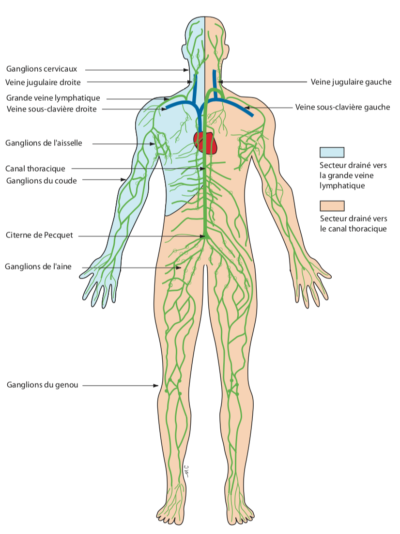
- It consists of lymphatic vessels, lymph nodes and lymphoid organs (such as the spleen).
- Its main function is to transport lymph, a clear fluid containing white blood cells, nutrients and metabolic waste.
The lymphatic system is a complex network composed of:
- Lymphatic vessels: channels that transport lymph throughout the body
- Lymph nodes: filtering structures that trap and help eliminate waste, bacteria and other pathogens
- Lymphoid organs: such as the spleen, tonsils and thymus, which produce immune cells
- Lymph: a clear fluid containing:
- White blood cells (lymphocytes) for immune defence
- Cellular waste and substances to be eliminated
- Nutrients and proteins that nourish the tissues
Through gentle and targeted stimulation of the lymphatic system, manual lymphatic drainage promotes the flow of lymph. Lymph is a translucent fluid that circulates throughout the body and helps eliminate waste and toxins from the tissues.
Precise massage movements help the lymphatic system function more effectively. Manual lymphatic drainage can therefore:
- Reduce swelling and water retention: manual lymphatic drainage helps eliminate excess fluid from the tissues. It can visibly reduce swelling and water retention, for example in the legs, arms or face.
- Support the immune system: by promoting the circulation of lymph, manual lymphatic drainage may help the body eliminate waste products. A well-functioning lymphatic system plays an important role in supporting the immune system and its ability to fight infections and pathogens.
- Have a relaxing effect: stimulating the lymphatic system has a relaxing effect not only physically, but also psychologically. It can help reduce stress and improve overall well-being.
- Relieve tension and pain:
Ideal for reducing pain associated with nerves (sciatica), rheumatic conditions or muscular tension. Improved lymphatic circulation may help relieve pain and stiffness in affected areas.
Manual lymphatic drainage is also recommended for aesthetic purposes:
- Supports tissue rejuvenation
- Significantly improves the quality of the skin on the face, décolleté and neck
- It reduces acne-related skin imperfections, improves skin texture and helps reduce the appearance of cellulite (the accumulation of subcutaneous fat).
Swelling (oedema): swollen legs, ankles, hands or face
A feeling of heaviness: particularly in the legs, often associated with poor circulation
Water retention: difficulty eliminating excess fluid
Persistent fatigue: a feeling of exhaustion associated with fluid and waste accumulation
Dull or congested skin: the appearance of spots or skin imperfections
Numbness or tingling: which may be associated with fluid retention
Reduced immune function: frequent infections or a general feeling of weakness
Muscle or joint pain: which may be associated with muscular tension or fluid retention
Pain
Rheumatism – Arthritis – Joint pain – Muscle pain (inflammation) – Migraine episodes – Headaches – Tendinitis – Sports injuries
Trauma
Bruising – Ulceration – Skin infections – Sports injuries
Premenstrual symptoms
Painful periods
Sinusitis – Tinnitus – ENT problems
Recurrent ENT problems – Sinusitis – Tinnitus
Digestion – Bowel function
Improved bowel function – Coeliac disease – Scar tissue adhesions or other adhesions
General wellbeing
Stress – Fatigue – Insomnia
Pregnancy
Heavy legs – Lower back pain – Prevention of stretch marks
Blood circulation
Venous return – Heavy legs – Varicose veins
The following conditions are contraindications to Manual Lymphatic Drainage:
- Acute infectious or inflammatory conditions:
- Acute inflammation caused by pathogenic bacteria, fungi or viruses, as drainage may contribute to the spread of infection and increase the risk of sepsis.
- Severe heart conditions:
- Decompensated heart failure.
- Oedema of cardiac origin.
- Congestive heart failure.
- Certain specific heart conditions (to be assessed by a doctor).
- Vascular conditions:
- Thrombosis.
- Phlebitis.
- Other serious medical conditions:
- Active tuberculosis.
- Untreated cancer, cyst or tumour.
- Acute kidney failure.
- Severe hypertension.
- Uncontrolled low blood pressure.
- Hyperthyroidism.
- Severe asthma.
- Infectious skin conditions…
Before starting Manual Lymphatic Drainage, always consult a doctor if you have any of these conditions or if you have any concerns about your state of health.
Although Manual Lymphatic Drainage is generally well tolerated, it may cause some side effects, including:
- Increased urination:
This may indicate that your body is eliminating excess fluid – a natural response to the lymphatic drainage process. - Fatigue or drowsiness:
The relaxing effect of the treatment, combined with the elimination of waste products from the tissues, may cause a feeling of fatigue. It is advisable to allow some time to rest after the session and avoid strenuous activities. - Mild skin reactions:
These reactions are generally harmless and may occur as a response to gentle stimulation of the skin. Applying soothing skincare products may help calm the skin after treatment. - Mild discomfort:
Some people may experience mild discomfort or tenderness due to stimulation of the tissues and lymphatic system. These sensations are normally temporary and mild.
Important: Pay attention to your body’s signals. If any side effects persist or worsen, please consult your therapist or doctor for advice.
What happens during the session?
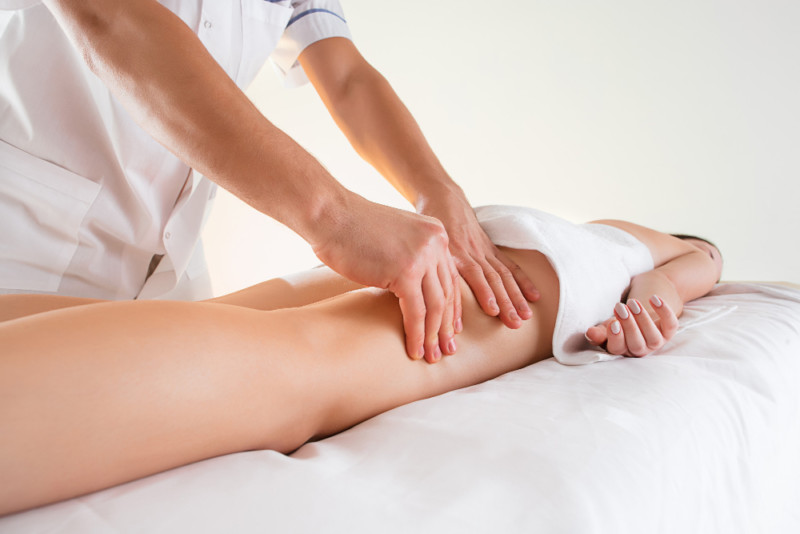
Confortably positioned on an electric massage table (ideal for elderly people or those with reduced mobility, as it can be lowered very close to the floor), the patient remains in their underwear and is covered with a sheet. Only the area being treated is uncovered during the drainage. The treatment is performed manually using the fingers and palms of the hands.
The therapist alternates between gentle and slightly firmer pressure across the body, following the natural direction of lymphatic circulation. These movements provide a deep sense of relaxation. The pressure applied is particularly soothing and pleasant, offering the patient a genuine moment of relaxation.
 A health questionnaire must be completed before your session. This includes your contact details so that an invoice can be issued, which can then be submitted to your supplementary health insurance provider. The questionnaire will also include a list of all absolute contraindications. Please ensure that none of these contraindications apply to you before your treatment.
 During the consultation, which takes place at the beginning of the session, please make sure to clearly explain all your health conditions to the therapist (who speaks French or English). If you have any concerns about whether Manual Lymphatic Drainage is appropriate for you, it is essential to seek advice from your doctor.
How often should Manual Lymphatic Drainage be performed?
The frequency and duration of Manual Lymphatic Drainage can vary considerably, as the treatment is fully tailored to each person’s specific needs. If necessary, several sessions may be scheduled over a period of several weeks to optimise the results.
The frequency and duration of Manual Lymphatic Drainage can vary considerably, as the treatment is fully tailored to each person’s specific needs. If necessary, several sessions may be scheduled over a period of several weeks to optimise the results.
Recommended frequency for Manual Lymphatic Drainage
(Also to be discussed with your doctor)
- 1 to 2 times a week: in cases of severe problems.
- Once a week: to begin a course of treatment.
- Twice a month: to continue the treatment.
- Once a month: for regular maintenance.
| Duration | 1x | 5x (10% discount) | 10x (10% discount) |
|---|---|---|---|
| 60 minutes | 120.- | 540.- | 1080.- |
| 90 minutes | 160.- | 720.- | 1440.- |
I am not a doctor. Manual Lymphatic Drainage sessions do not in any way replace medical advice.
- Only a doctor is qualified to make a diagnosis, prescribe, modify or discontinue medical treatment.
- Any questions regarding your state of health or medical treatment should be addressed to your doctor.